
When Wildlife Needs Help
Wildlife Rehabilitation
Licensed Wildlife Rehabilitation in Western North Carolina
Our Executive Director Kaleb is licensed by the state of North Carolina to rehabilitate small mammal wildlife. If you find an orphaned and/or injured wild animal, please feel free to call us and we can evaluate if it needs care. Photos are particularly helpful if you can send them.
Please do not attempt to feed the animal or force it to drink water. Wild critters are easily killed by people with the best intentions. Do not attempt to raise an orphaned wild animal. We ask that you keep the animal safely contained, warm and quiet, do not handle the animal and contact a licensed rehabilitator as soon as possible.
Wildlife Health Advisory for
Jackson County Residents
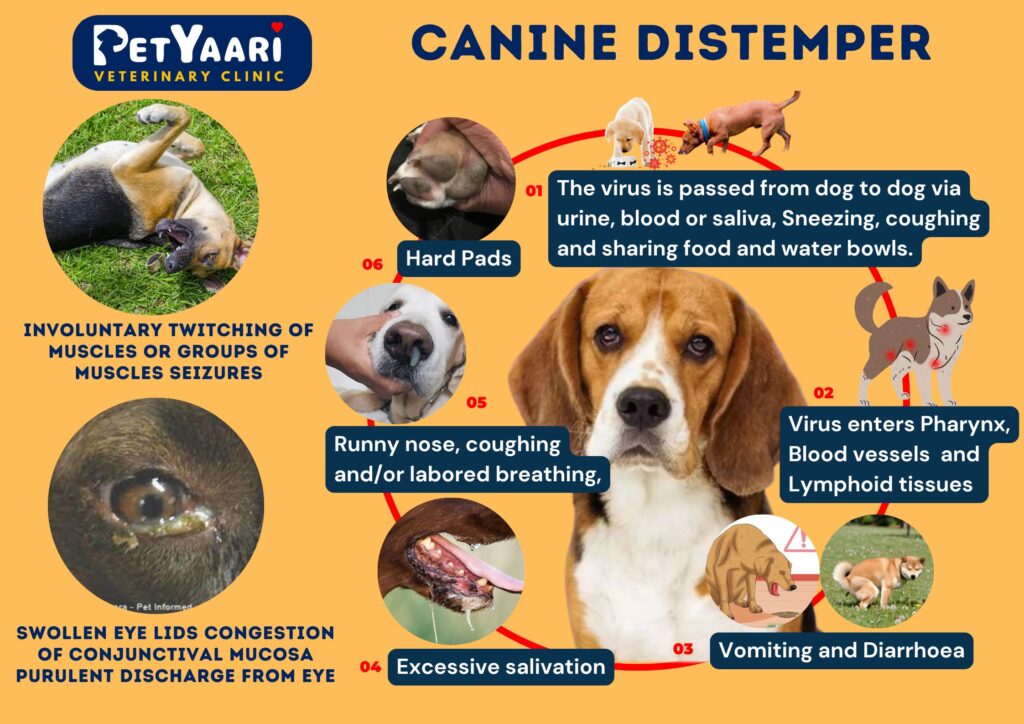
Over the past several weeks, wildlife behaving unusually during daylight hours have been reported in the Highlands area. Foxes and raccoons have been observed walking in circles, struggling to breathe, or showing neurological signs such as convulsions and foaming at the mouth. Wildlife officials believe these cases may be linked to canine distemper.
Canine distemper is a serious, highly contagious disease that affects dogs, ferrets, and many wildlife species, including foxes, raccoons, skunks, and other wild canines. Cats can also become infected; they rarely show symptoms but may still spread the virus.
Species We Rehabilitate
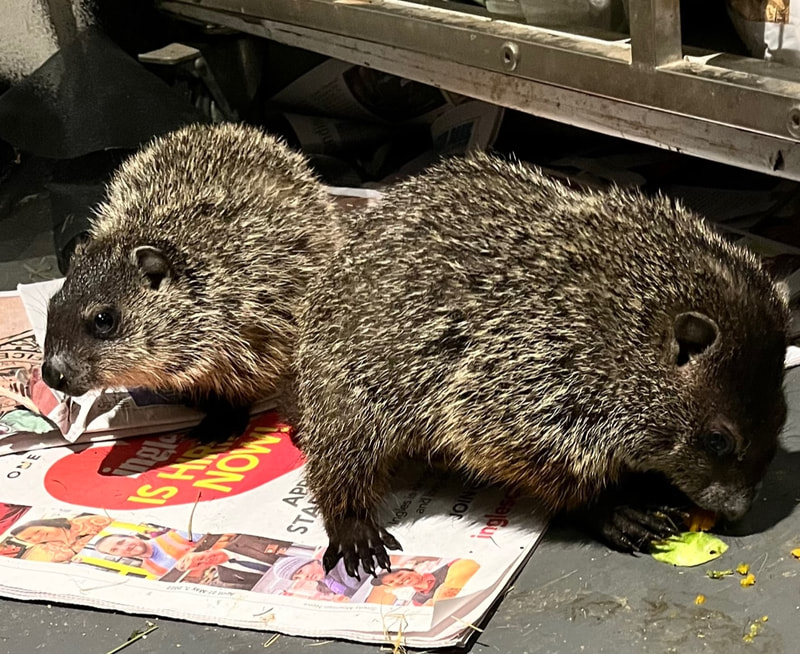
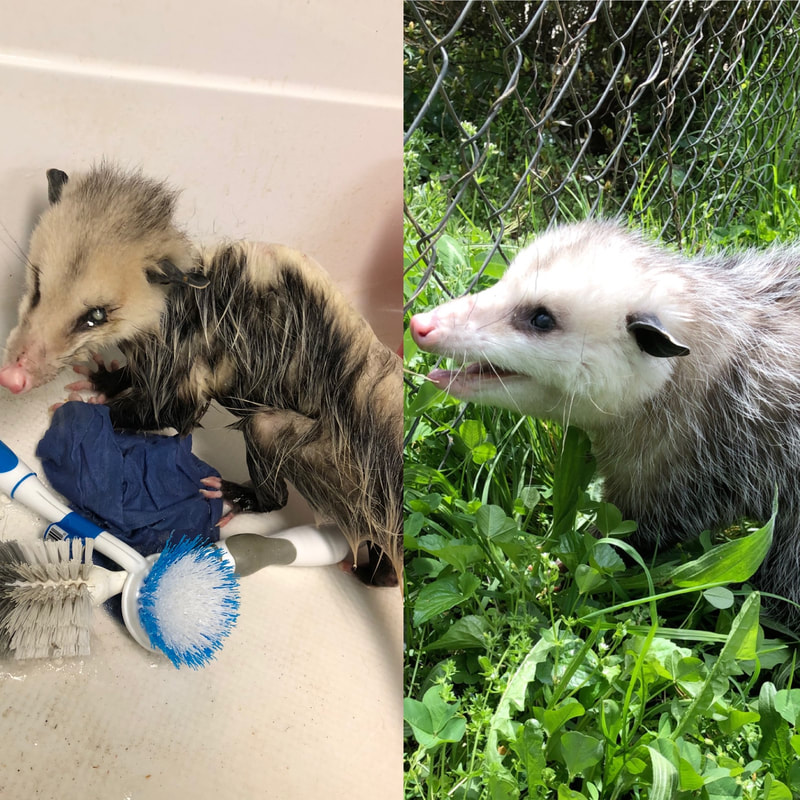
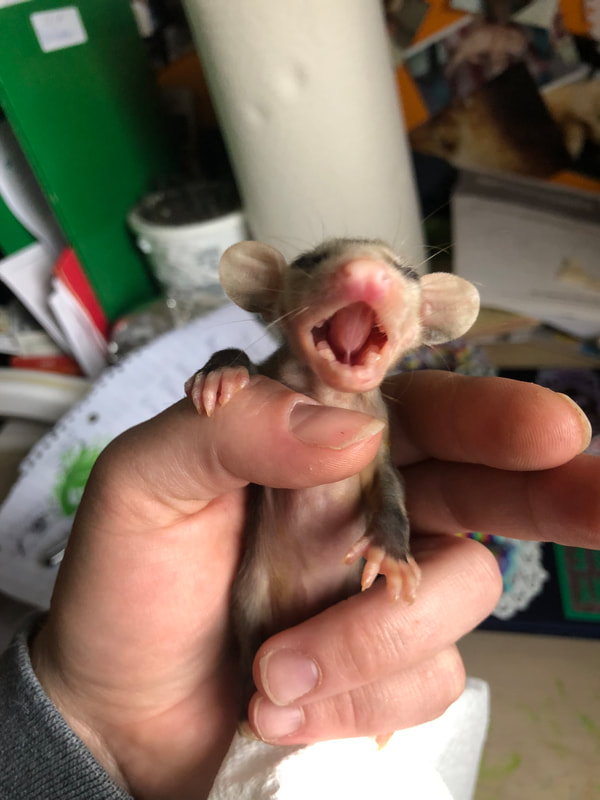
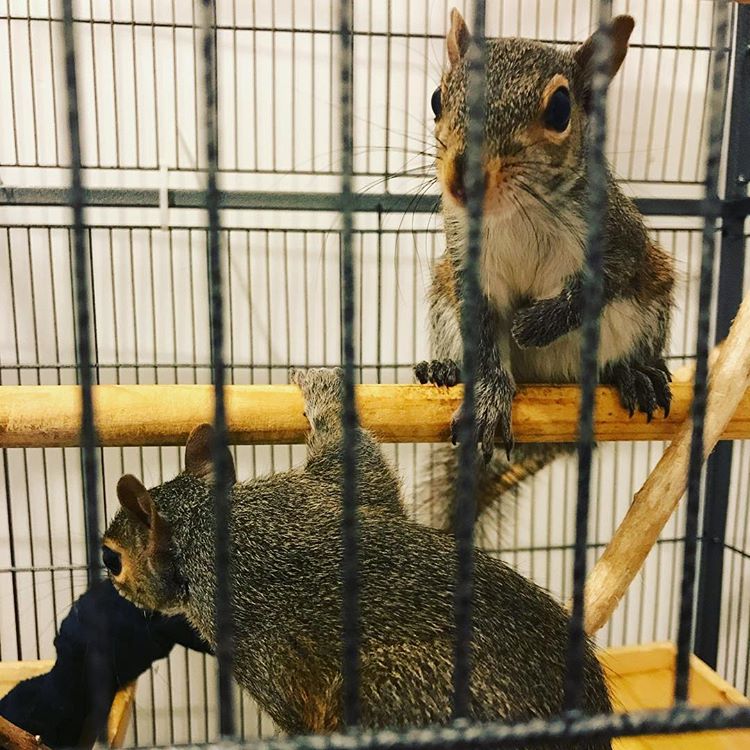
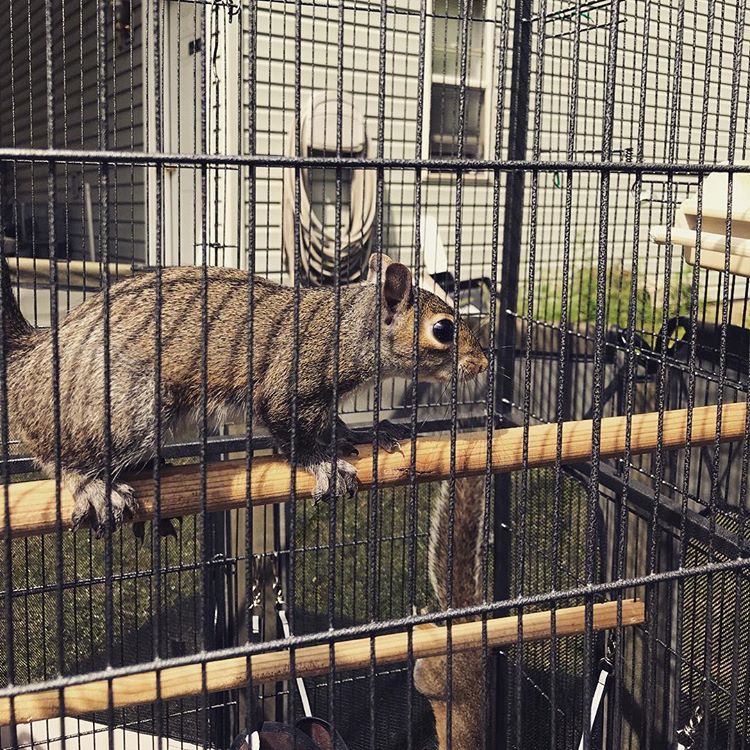
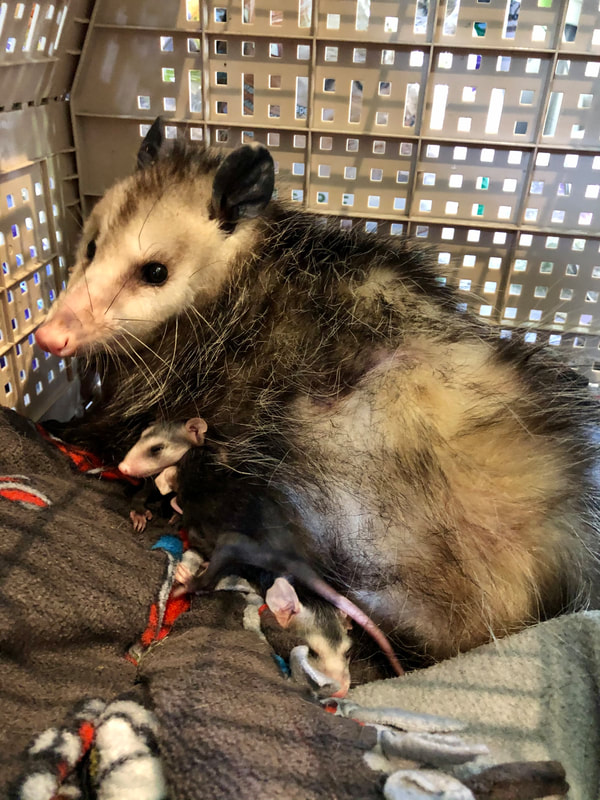
Due to constraints on our time and energy, we are only focusing on the rehabilitation of baby groundhogs and opossums, when we can.
We do not rehabilitate birds of any kind. Refer to the NC Wildlife website to find a species appropriate rehabilitator.
North Carolina wildlife laws prohibit rehabilitation of rabies vector species in Western North Carolina counties. This includes raccoons, foxes, skunks, bobcats and similar species. Rehabilitation of coyotes is strictly prohibited.
If You Find Injured Wildlife
Please contact us before transporting wildlife so we can provide guidance and determine the appropriate next steps.
👉 Contact Us for Wildlife Assistance
👉 Donate to Support Wildlife Care
Call 828-293-0892 for assistance.
The Do’s and Don’ts of Contacting a Wildlife Rehabilitator: Etiquette 101
Do:
• Offer a donation if you’re able to do so. Even a few dollars is helpful as special formulas, habitat requirements and specialized veterinary care can become very expensive.
• Consider keeping your cats indoors. Cats are natural hunters and will often bring injured wild animals home as gifts. Indoor cats live longer, healthier lives and do not negatively impact wildlife populations. Most of the animals we receive have either been in a cat’s mouth or been hit by a car.
• Follow common sense hygiene practices and thoroughly wash your hands after handling any animal.
• Educate yourself on when wildlife needs human intervention. Any animal found with flies around it or nits or maggots on it needs immediate help. Most uninjured bunnies found in their nest do not need help. Their mother only comes to feed twice a day to keep predators from finding the nest.
Don’t:
• Expect immediate service, especially at night. Keep the animal safely contained in a warm, quiet place.
• Expect the rehabilitator to stop caring for the animals already in their care to pick up another. Be willing to bring the animal to the rehabilitator or meet somewhere.
• Attempt to give the animal any food, water or milk of any kind. Licensed rehabilitators are trained in the specific and complex dietary needs of each species and starting them on the wrong diet can be fatal. Just keep them warm and quiet.
• Handle the animal unless absolutely necessary. The stress of being handled can kill wildlife, especially bunnies. Keep pets and children away from the animal and contact a rehabilitator.